

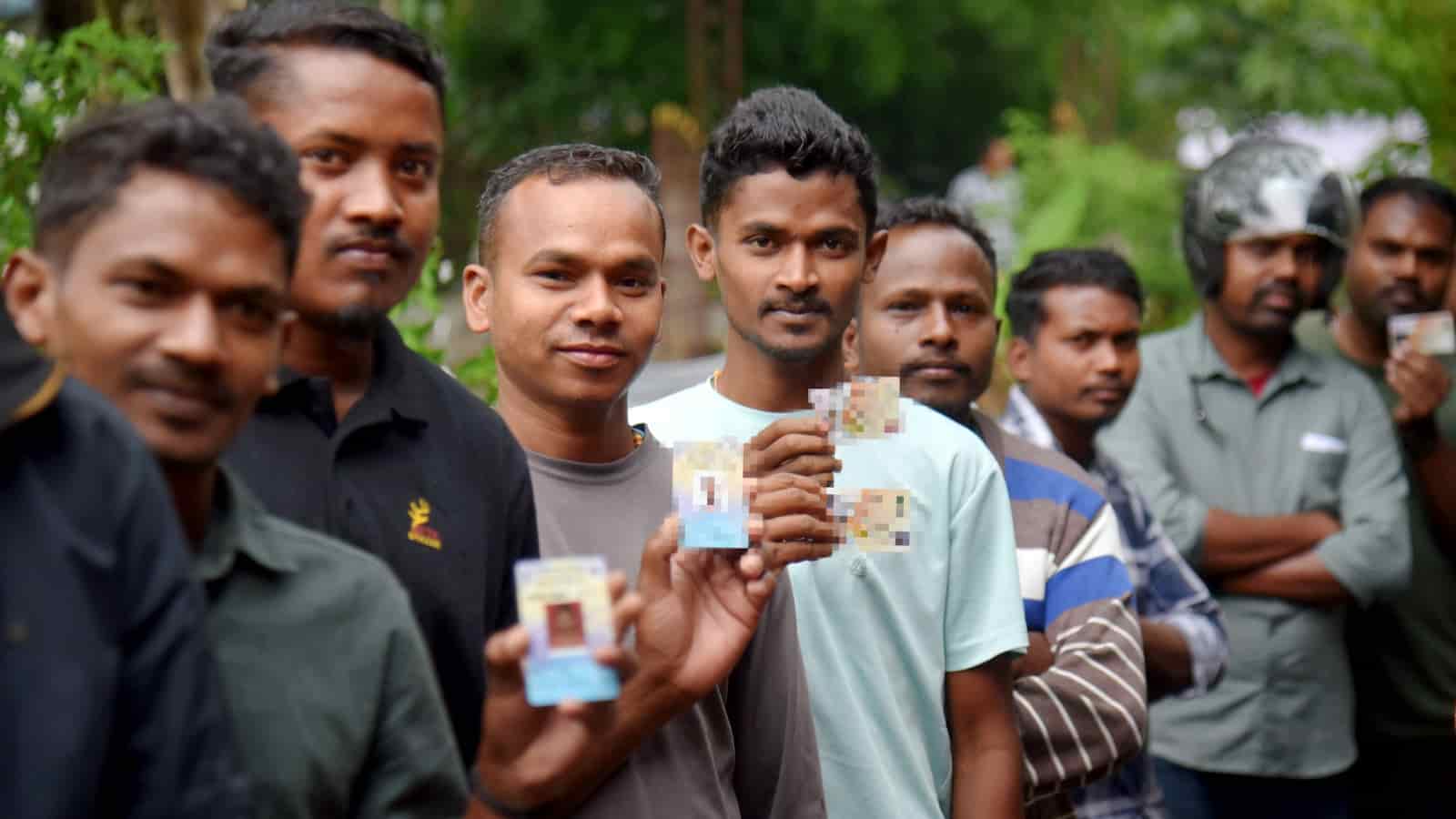
The electoral atmosphere is charged by heightened public concern over rising energy costs and tightening cooking gas supplies, driven by the ongoing war in the Middle East. Against this backdrop of economic anxiety, Prime Minister Modi utilized social media on Thursday to issue a direct appeal to the electorate, specifically urging women and the youth to fulfill their democratic duty by participating in the polls. The BJP enters this cycle seeking to expand its footprint and defend existing strongholds, notably attempting to secure a victory in Kerala, a state where the party has never previously won an election.
In Assam, 25 million voters are tasked with electing a 126-member assembly as the ruling BJP eyes a historic third term in power. The contest represents a direct confrontation between the BJP and the Indian National Congress (INC), the nation’s largest national opposition party. This election serves as the first major democratic exercise in the state since the controversial 2023 redrawing of constituency lines, an administrative move that critics allege was a calculated effort to manipulate minority votes to the advantage of the ruling party.
Simultaneously, the southern state of Kerala, which boasts the highest literacy rate in India, sees 27 million voters electing a 140-member state assembly. The political stage is set for a fierce three-way contest involving the ruling Left Democratic Front (LDF) alliance, a BJP-led alliance, and a Congress-led alliance. Meanwhile, in the coastal union territory of Puducherry, approximately 944,000 voters are casting ballots for 30 assembly seats. Currently governed by a BJP-backed alliance, the territory remains a vital component of the broader regional strategy for the national ruling party.
These elections represent more than a localized change in admi
nistration; they serve as a definitive barometer of the national political mood and the resilience of regional alliances against the BJP's centralized influence. As millions exercise their franchise across diverse geographical and social landscapes, the outcome will dictate the trajectory of Indian governance and the shifting dynamics between nationalist ideologies and regional political identities for years to com
About The Author


.jpg)
.jpg)






Comment List